Trending News
Saturday, 13 December

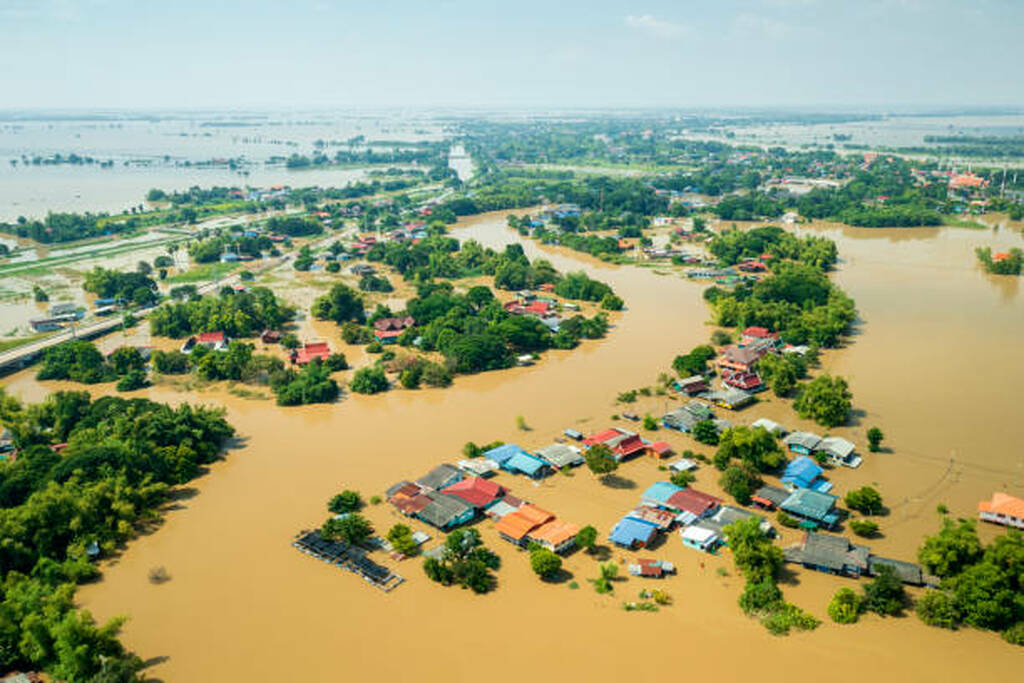
Sidor not only destroyed her house, but the subsequent river erosion also washed away the land.
Since that destruction, she has remained in Dhaka—in a precarious, overcrowded, and unsanitary environment.
“The storm took everything away, the river ate the rest.”
Rubana’s voice still echoes the terror of that night. Within days of the house collapsing, the river swallowed up the land on which they lived.
“There was no place to stay. There was no other option but to come to Dhaka,” she says. After arriving in Dhaka, finding a low-rent house, and receiving help from relatives—all of this made Nandiparai their ‘new’ refuge.
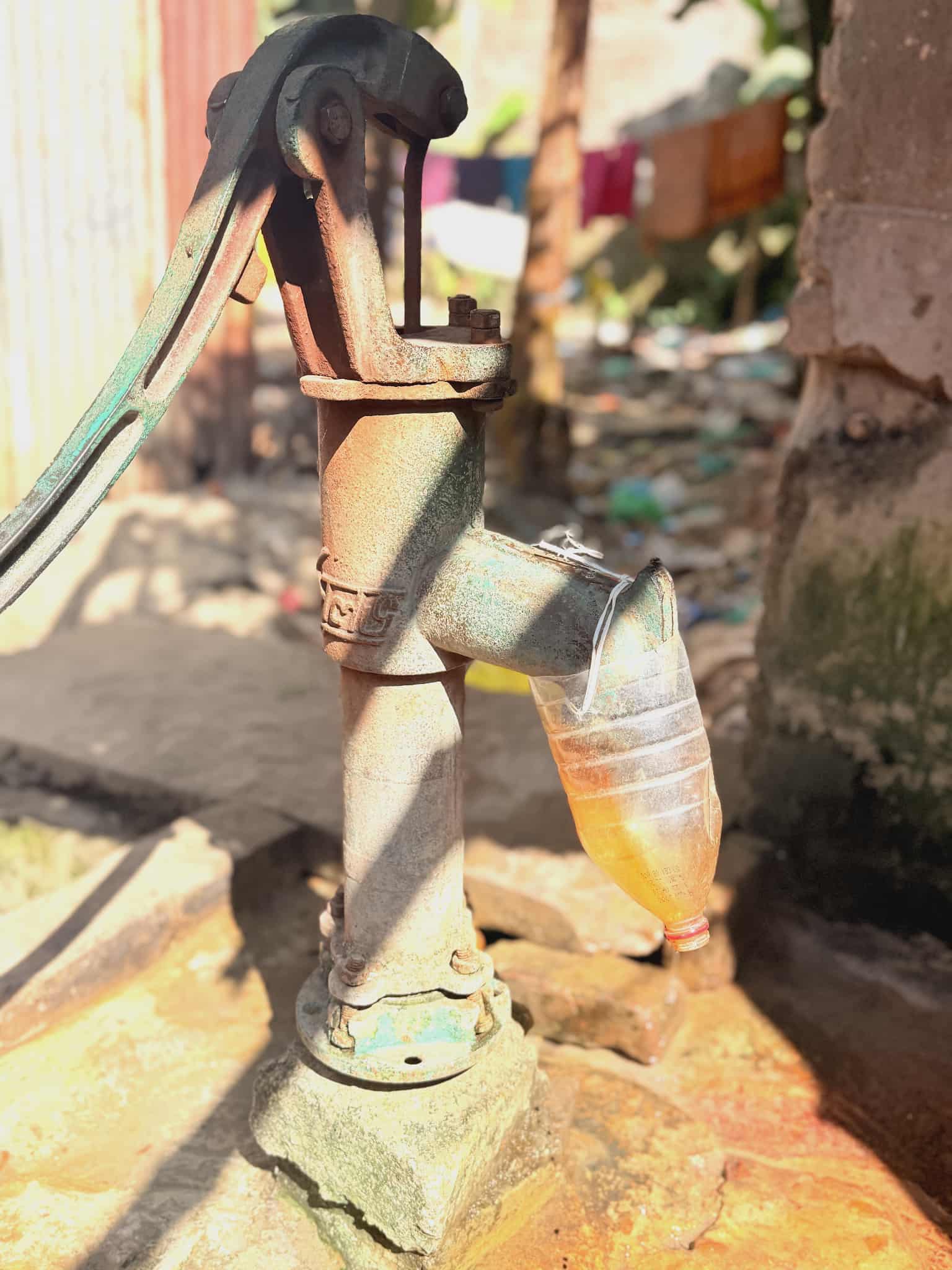
The only source of water for the 28 families is a WASA line, which is fed through a tubewell with a used plastic bottle stuck in its mouth. Over time, the bottle has turned red—which could indicate pollution, bacterial biofilm, or metallic elements.
Yet, Rubana says, “We drink this water. Nothing happens.”
They never boil water or collect pure water to drink. When asked why, they laugh and say, “I don’t like drinking boiled water, it also uses more gas. Besides, we don’t get sick.”
The answer to this question is not just ignorance—it is the forced reality of poor people, which researchers call forced rationality, that is, assuming risk is safe if there is no alternative.
Boiling water requires extra gas and time—which is beyond the means of low-income families.
Accepting risk means additional expenses, so it is easy to deny it.
Risk is a normal thing for them. Diarrhea, fever, and skin diseases during the monsoon are their daily experiences. They do not see these diseases as illnesses—as if they are part of life. ‘We are village people, our bodies are strong’—a psychological comfort. Such a belief acts as a mental shield to stay strong in poverty. But it perpetuates risky behavior. 4 toilets in 28 families—even if they have diseases, they blame the environment, not the water. Even though inadequate toilet use increases the risk of spreading disease, they believe that illness is caused by heat, dirt, and mosquitoes—not by water.

Sidor not only destroyed her house, but the subsequent river erosion also washed away the land.
Since that destruction, she has remained in Dhaka—in a precarious, overcrowded, and unsanitary environment.
“The storm took everything away, the river ate the rest.”
Rubana’s voice still echoes the terror of that night. Within days of the house collapsing, the river swallowed up the land on which they lived.
“There was no place to stay. There was no other option but to come to Dhaka,” she says. After arriving in Dhaka, finding a low-rent house, and receiving help from relatives—all of this made Nandiparai their ‘new’ refuge.
The only source of water for the 28 families is a WASA line, which is fed through a tubewell with a used plastic bottle stuck in its mouth. Over time, the bottle has turned red—which could indicate pollution, bacterial biofilm, or metallic elements.
Yet, Rubana says, “We drink this water. Nothing happens.”
They never boil water or collect pure water to drink. When asked why, they laugh and say, “I don’t like drinking boiled water, it also uses more gas. Besides, we don’t get sick.”
The answer to this question is not just ignorance—it is the forced reality of poor people, which researchers call forced rationality, that is, assuming risk is safe if there is no alternative.
Boiling water requires extra gas and time—which is beyond the means of low-income families.
Accepting risk means additional expenses, so it is easy to deny it.
Risk is a normal thing for them. Diarrhea, fever, and skin diseases during the monsoon are their daily experiences. They do not see these diseases as illnesses—as if they are part of life. ‘We are village people, our bodies are strong’—a psychological comfort. Such a belief acts as a mental shield to stay strong in poverty. But it perpetuates risky behavior. 4 toilets in 28 families—even if they have diseases, they blame the environment, not the water. Even though inadequate toilet use increases the risk of spreading disease, they believe that illness is caused by heat, dirt, and mosquitoes—not by water.
 December 07, 2025
 TAUFIR AHMED SEAM
 23
23